
As a homeowner in Ooltewah, TN, your HVAC system is essential for keeping your home comfortable year-round. However, the refrigerants powering these systems are regulated by the Environmental Protection Agency (EPA). Understanding these rules ensures your system is serviced correctly, remains efficient, and complies with environmental standards.
In this post, we’ll break down the EPA’s HVAC refrigerant regulations, explain their impact on you, and show why partnering with a certified local expert like Wonder Cooling is the smart choice.
What Are EPA HVAC Refrigerant Rules?
The EPA enforces HVAC refrigerant regulations under Section 608 of the Clean Air Act to reduce emissions of ozone-depleting substances and high global warming potential (GWP) refrigerants. These rules are designed to protect the environment by phasing out refrigerants like R-410A and promoting eco-friendly alternatives such as R-32.
Why the change? Refrigerants like R-410A have a GWP of 2,088, meaning they trap heat in the atmosphere far more effectively than carbon dioxide. In contrast, newer options like R-32 (GWP 675) and R-454B (GWP 466) are less harmful.
By 2025, new HVAC systems must use these low-GWP alternatives, aligning with global efforts to combat climate change. This shift encourages the adoption of energy-efficient technologies that benefit both the planet and your wallet.
How Do These Rules Affect Homeowners?
For Ooltewah homeowners, EPA regulations bring practical considerations when maintaining or upgrading your HVAC system. Here’s what you need to know:
EPA-Certified Technicians
Anyone servicing your HVAC system must hold an EPA certification to handle refrigerants legally. This ensures they recover and recycle refrigerants properly, preventing harmful releases into the atmosphere. Hiring a certified technician is a must for compliance and system performance.
Servicing Existing Systems
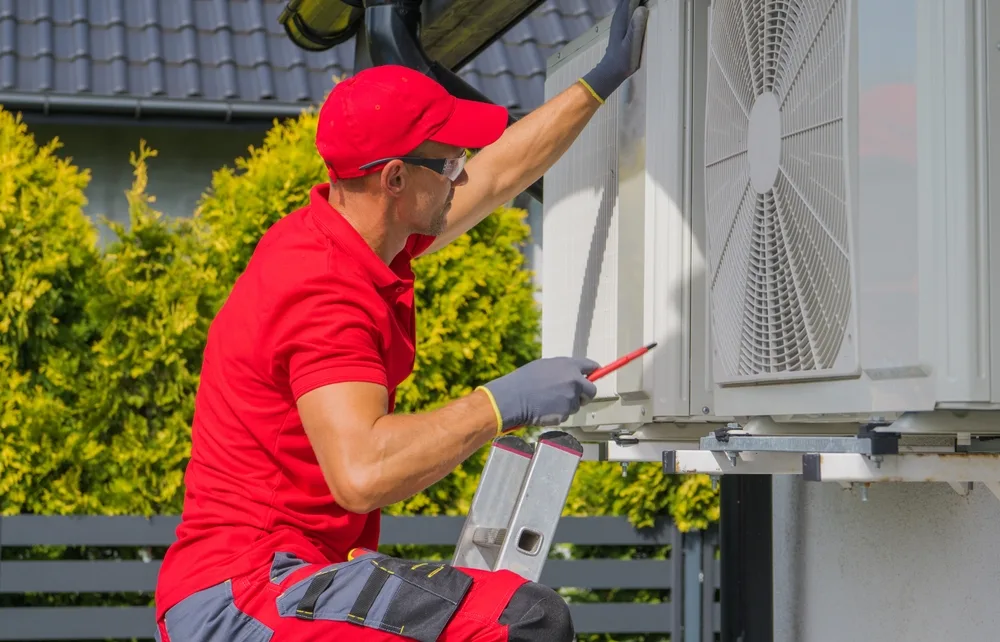
If your system uses older refrigerants like R-22 (phased out in 2020) or R-410A, technicians must recover and recycle these during repairs or maintenance. While R-22 supplies are still available for existing systems, they’re becoming scarcer and more expensive, pushing many homeowners to consider upgrades.
Installing New Systems
Replacing your HVAC system? New units must use low-GWP refrigerants like R-32. These systems may cost more upfront, but their energy efficiency can save you money over time.
For example, a system with a SEER (Seasonal Energy Efficiency Ratio) rating of 16 can cut cooling costs by up to 20% compared to older units with SEER ratings of 10-12—a big win for managing utility bills.
SEER Efficiency Savings Calculator
Local Considerations for Ooltewah, TN
Tennessee adheres to federal EPA refrigerant rules, with no additional state-specific laws. However, Ooltewah’s climate—hot, humid summers with highs in the 80s and 90s, and mild winters with occasional cold snaps—makes an efficient HVAC system a necessity. A reliable unit keeps your home comfortable during peak cooling months and handles winter heating without breaking the bank.
The demand for skilled HVAC technicians in Tennessee is on the rise, with over 9,880 mechanics and installers statewide in 2022, projected to grow by 12% by 2032. This trend underscores the value of working with certified local professionals who understand both regulatory changes and regional climate needs.
For Ooltewah residents, choosing a provider like Wonder Cooling means getting tailored service from experts familiar with the area’s unique demands. Our team ensures your system complies with EPA rules while optimizing performance for Tennessee’s weather.

Why Choose Wonder Cooling?
At Wonder Cooling, we understand the importance of staying ahead of regulatory changes. Our team is committed to providing Ooltewah homeowners with the latest in HVAC technology while ensuring compliance with all EPA regulations. We’re here to make the transition as seamless as possible for our customers.
Book an appointment and enjoy the peace of mind that comes with expert, local HVAC service.