
While Ooltewah, Tennessee, is often associated with its quiet suburban charm and proximity to Chattanooga, it also has a rich and layered history. From Native American roots to 19th-century plantations and early civic buildings, the town features a number of historic sites and structures that speak to its past.
In this article, we highlight some of the most notable historic landmarks in and around Ooltewah and explore how they continue to shape the cultural identity of the region.
1. James County Courthouse
Perhaps the most iconic historic structure in Ooltewah is the James County Courthouse. Built in 1913, this Colonial Revival-style courthouse served as the third and final courthouse for James County, which existed from 1871 until its dissolution in 1919 due to financial collapse.
After James County was absorbed into Hamilton County, the courthouse eventually fell out of use but was later restored. Today, it is listed on the National Register of Historic Places and functions as Mountain Oaks Manor, a popular venue for weddings and events.
- Address: 9508 Lee Hwy, Ooltewah, TN
- Current Use: Event venue
- Historical Significance: Last standing public building of James County
2. Hiram Douglas House
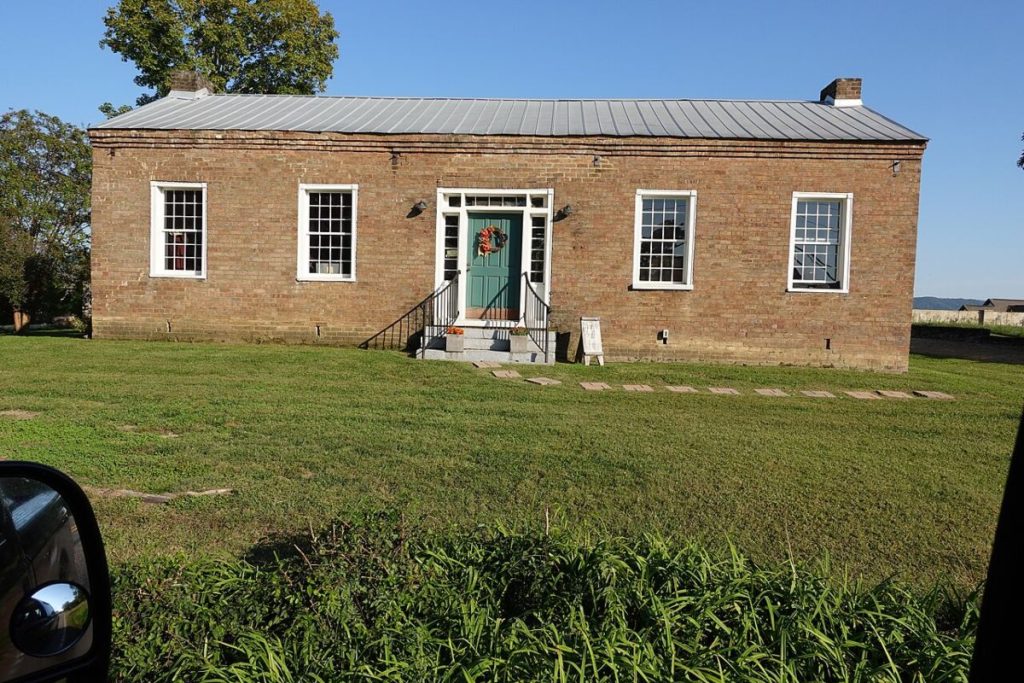
Built in 1851, the Hiram Douglas House is one of Ooltewah’s oldest surviving residences. Named after Reverend Hiram Douglas, a traveling minister, the home reflects antebellum architecture and has been recognized by a Tennessee state historical marker.
The home has witnessed significant periods of Ooltewah’s development and serves as a physical reminder of the community’s roots in faith and early settlement.
- Address: Off Ooltewah-Georgetown Rd
- Current Status: Private property (not open for tours)
- Notable Feature: Tennessee Historical Marker
3. Pleasant L. Matthews House (Matthews Mansion)
Located just outside the core of Ooltewah, the Pleasant L. Matthews House is an early example of Tennessee Vernacular architecture. Construction began in 1846 and was completed in 1856. At its peak, the home was part of a 1,080-acre plantation and included various outbuildings, including a smokehouse and kitchen.
The house was damaged by a tornado in 1974, but its historical significance remains intact. It’s a rare example of pre-Civil War domestic architecture in the area.
- Listed On: National Register of Historic Places
- Architectural Style: Two-story frame home with period-appropriate detailing
4. James Brown House
Not to be confused with the musician of the same name, the James Brown House is a historically significant property located along Ooltewah-Georgetown Road. It is particularly notable for its association with Cherokee heritage, as it sits on land that was historically occupied by Cherokee families prior to the Trail of Tears.
Perched on a rise overlooking a valley, the farmstead reflects 19th-century rural development in southeastern Tennessee.
- Historical Ties: Cherokee settlement history
- Architectural Details: Farmstead-style home with surrounding agricultural land
5. Red Clay State Historic Park (Nearby)
While technically just outside Ooltewah, Red Clay State Historic Park plays an essential role in understanding the region’s cultural fabric. The park served as the last seat of the Cherokee national government before their forced removal on the Trail of Tears in the 1830s.
Today, visitors can explore a replica Cherokee farm, ceremonial structures, and the Eternal Flame of the Cherokee Nation, which symbolizes remembrance and resilience.
- Distance from Ooltewah: Approx. 12 miles
- Activities: Walking trails, educational exhibits, historical reenactments
- Managed by: Tennessee State Parks
Preserving Ooltewah’s Historic Legacy
These historic sites and structures tell the story of a town that has evolved through the influence of Native American culture, early American settlement, and local governance shifts. From the Cherokee presence memorialized at Red Clay to the final courthouse of James County, each site preserves a chapter of the area’s layered past.
By supporting historic preservation efforts and promoting public awareness, Ooltewah residents and visitors alike can ensure these cultural landmarks continue to be appreciated for generations to come.