
Seeing AUX HEAT appear on your thermostat can make it seem like something is wrong with your HVAC system. In many homes with heat pumps, however, auxiliary heat is a normal part of handling colder weather, defrost cycles, and larger temperature changes. The key is understanding when AUX heat is expected and when frequent use deserves attention.
Chattanooga homeowners often begin noticing it in late fall as overnight temperatures drop and heat pumps work harder to maintain indoor comfort. A brief appearance of AUX heat is usually not a problem. Extended or unusually frequent use can signal that the system is relying too heavily on backup heat.
AUX heat means your heat pump has activated a secondary heat source to help warm the home. It may come on during colder weather, after a large thermostat increase, or during a defrost cycle. If auxiliary heat begins running much more often than usual, a technician should determine whether the system is responding normally or compensating for lost performance.
Why Heat Pumps Need Auxiliary Heat
A heat pump does not create heat the same way a furnace does. During heating mode, it moves heat from outdoor air into the home through the refrigeration system. As outdoor temperatures fall, the amount of available heat decreases and the system may need additional help to meet the home’s heating demand.
Many heat pumps use electric resistance heaters as that backup source. These heaters can add heat quickly when conditions require it, but they also use more electricity than normal heat-pump operation. The system should therefore rely on them when needed, not as the primary heat source during ordinary conditions.
The thermostat and equipment controls determine when backup heat is called. The exact sequence varies by system, but AUX heat is intended to support the heat pump rather than replace it. That distinction becomes important when usage suddenly changes.
Large Thermostat Changes Can Trigger AUX Heat
One common reason homeowners see AUX heat has nothing to do with equipment failure. Raising the thermostat several degrees at once can signal that the home needs to warm quickly, causing the system to bring on backup heat. This often happens after a large overnight setback or when the thermostat has been turned down for several hours.
Smaller adjustments may reduce how often auxiliary heat is requested. That does not mean homeowners should avoid changing thermostat settings altogether, but aggressive setbacks can change how a heat pump responds. The pattern is more useful than the thermostat display by itself.
If AUX heat appears briefly during recovery and then shuts off, the system may be operating exactly as designed. If it continues running long after the home reaches temperature, that deserves a closer look. A sudden change from normal behavior is especially useful information for a technician.
Defrost Cycles Can Also Bring on Auxiliary Heat
During cold-weather operation, the outdoor coil can develop frost as it absorbs heat from outside air. Heat pumps are designed to enter a defrost cycle periodically so that frost does not continue building and restricting airflow. During that cycle, the refrigeration process temporarily changes to warm the outdoor coil.
That can briefly reduce the amount of heat being delivered indoors. Many systems activate auxiliary heat during defrost so the homeowner does not receive a noticeable blast of cooler air from the registers. Once defrost is complete, the system returns to normal heating operation.
Some steam from the outdoor unit or a temporary change in sound can be normal during defrost. The concern is heavy ice that does not clear, very frequent defrost cycles, or auxiliary heat that continues running afterward. Those conditions give technicians a reason to check defrost controls, sensors, airflow, and overall system performance.
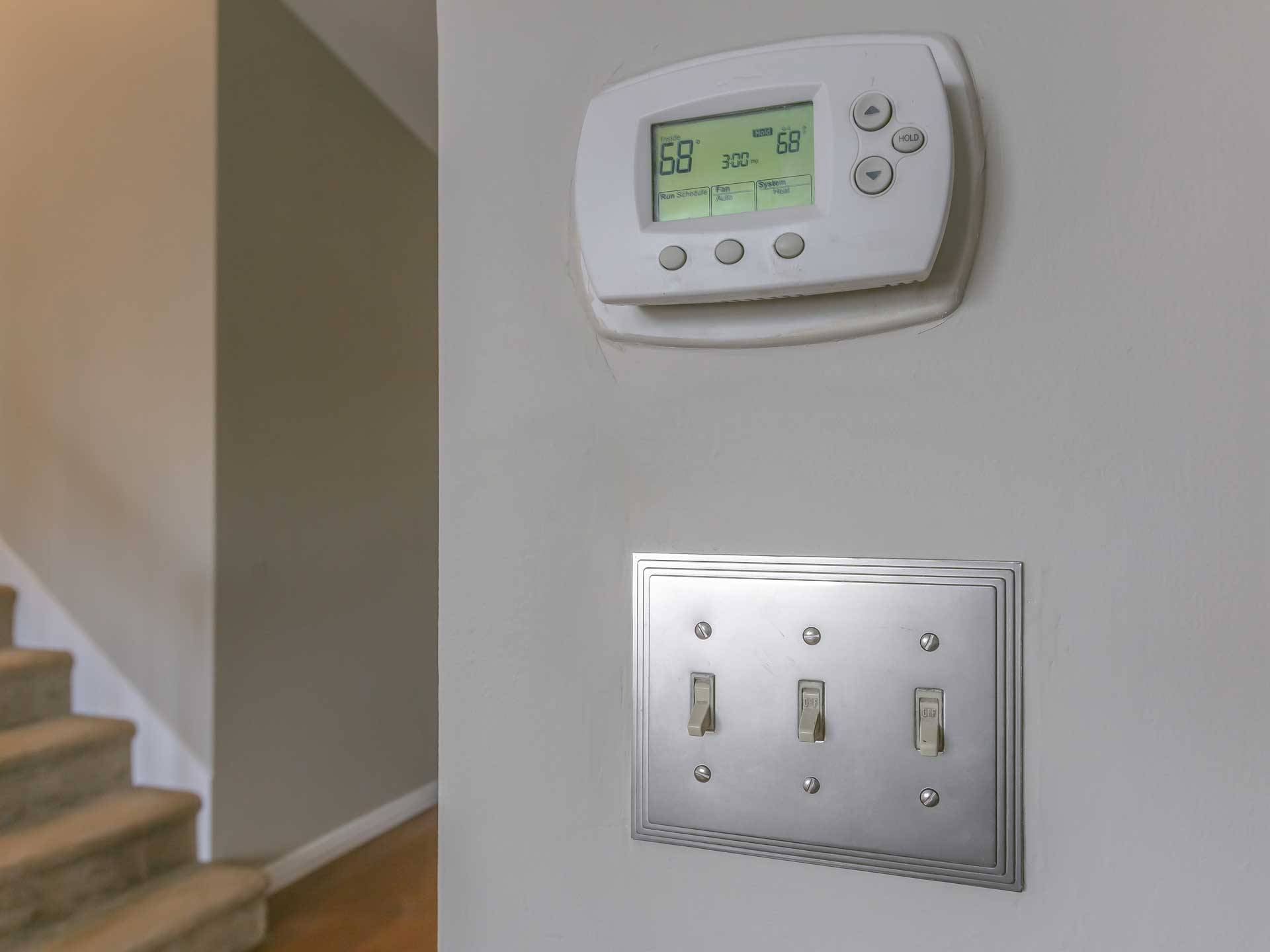
When Frequent AUX Heat Deserves Attention
Auxiliary heat becomes more concerning when it begins operating much more often than the homeowner is used to seeing. A heat pump that is not producing enough heat may force the backup system to carry more of the load. Airflow problems, thermostat staging, outdoor-unit trouble, refrigerant performance, or control issues can all contribute.
An unexpected increase in electricity use can sometimes appear at the same time. That does not prove auxiliary heat is the cause, but prolonged electric resistance heating can raise energy consumption. Homeowners should mention both changes if they occur together.
The most useful question is whether the heat pump itself is contributing the amount of heat it should. A technician can compare outdoor temperature, supply-air temperature, thermostat calls, airflow, and equipment operation to see whether backup heat is being requested for a legitimate reason. That provides a better answer than simply disabling AUX heat.
AUX Heat & Emergency Heat Are Different
The two terms are easy to confuse because both involve backup heating. AUX heat usually comes on automatically when the heat pump needs assistance, while Emergency Heat is generally a manual setting that tells the system to rely on the backup source instead of normal heat-pump operation. Emergency Heat is not intended to be a routine thermostat setting.
If the outdoor heat-pump section has failed, a technician may advise using Emergency Heat temporarily until service is completed. Using it without a reason can increase energy use and remove the heat pump from the heating process. Homeowners should know which mode the thermostat is displaying before assuming the two terms mean the same thing.
Thermostat labels and controls vary by system. Some displays make the distinction obvious, while others use different wording. When the display is unclear, the equipment manual or an HVAC technician can explain how that particular system handles backup heat.
Frequently Asked Questions
Is AUX Heat Bad for My Heat Pump?
No. Auxiliary heat is a normal part of many heat-pump systems and is designed to provide additional heating when needed. The concern is unusually frequent or extended use that suggests the heat pump is not carrying its expected share of the load.
Why Does AUX Heat Come On When I Raise the Thermostat?
A large temperature increase may cause the thermostat to call for backup heat so the home reaches the new setting more quickly. This commonly happens after a large overnight setback or when the thermostat has been turned down for several hours. Smaller temperature changes may reduce how often that happens.
Why Is My AUX Heat Running When It Is Not Very Cold Outside?
Thermostat staging, defrost operation, airflow problems, or reduced heat-pump performance can all bring on backup heat even during milder weather. One brief cycle may be normal depending on what the system is doing. Repeated AUX heat during moderate conditions is worth having checked.
Does AUX Heat Use More Electricity?
Electric resistance auxiliary heat generally uses more electricity than normal heat-pump operation. Short periods of backup heat may be completely normal, while prolonged use can have a noticeable effect on energy consumption. A sudden increase in AUX heat use deserves attention if it differs from the system’s usual behavior.

Know What Your Thermostat Is Telling You
Seeing AUX heat does not automatically mean your heat pump needs repair. It may simply be helping during colder weather, recovering from a thermostat change, or supporting a normal defrost cycle. The pattern becomes more important when backup heat runs frequently, the home struggles to maintain temperature, or energy use changes unexpectedly.
Contact Wonder Cooling today to schedule service or request an evaluation. Call (423) 561-9326 or book online to get started. We proudly provide heat-pump service, thermostat evaluation, maintenance, and repair throughout Chattanooga, Ooltewah, Hixson, McDonald, and surrounding communities. Our technicians can evaluate why backup heat is operating and determine whether the system is responding normally.