An HVAC system shouldn’t start, run for a few minutes, shut down, and then repeat the same cycle throughout the day. When that pattern becomes frequent, HVAC technicians often refer to it as short cycling. Short cycling can affect air conditioners, heat pumps, and furnaces. The cause can be as simple as restricted airflow or as complex as an electrical control problem. What makes the issue tricky is that several completely different failures can create almost identical behavior. The useful question isn’t simply, “Why does my HVAC system keep turning on and off?” It’s what is causing the system to end its cycle before the home reaches the temperature it needs?
Quick Answer
An HVAC system that repeatedly starts and stops may be short cycling. Common causes include dirty air filters, airflow restrictions, thermostat problems, electrical faults, overheating, refrigerant issues, or incorrectly sized equipment. Repeated short cycling can increase energy use and component wear, so the cause should be identified rather than allowing the pattern to continue.Temperature differences often begin with airflow.Air leaks around windows, doors, and attic spaces can also affect comfort, forcing certain rooms to warm more quickly than others.
Why Does My HVAC System Keep Turning On and Off?
1. It Could Actually Be Short Cycling
HVAC systems naturally turn on and off. Cycling itself isn’t a problem.
A thermostat calls for heating or cooling when the indoor temperature moves away from its setting. Once the system satisfies that call, it shuts down.
Outdoor conditions influence how long each cycle lasts. A system may run for extended periods during a hot Chattanooga afternoon and cycle less frequently during mild weather.
Short cycling describes a different pattern. The equipment repeatedly shuts down before completing an effective heating or cooling cycle, then starts again soon afterward.
Experienced technicians don’t diagnose short cycling based on a stopwatch alone. They look at what the thermostat is requesting, how the equipment responds, indoor temperature changes, airflow, and what causes the equipment to stop.
2. It Could Have Restricted Airflow, Triggering a Chain Reaction
Airflow is one of the first areas worth evaluating because HVAC equipment is designed around a specific volume of air moving through the system.
Start with a dirty air filter.
As a filter fills with dust and debris, the blower has more difficulty pulling air through it. Less air moves across the system’s heat-transfer surfaces, and equipment temperatures can move outside their normal operating range.
During cooling, inadequate airflow can allow the evaporator coil to become excessively cold. Ice may eventually develop and further restrict airflow.
During heating, restricted airflow can cause a furnace’s heat exchanger to become too hot. A safety control may then shut the burners down to protect the equipment.
The homeowner sees the same basic symptom in either case: the HVAC system starts and then shuts off too soon.
The underlying mechanical process is very different.
3. Your Thermostat May Be Giving the System Bad Information
The HVAC equipment isn’t always responsible for unusual cycling. Sometimes the problem begins with the thermostat.
A thermostat measures conditions only in the location where it’s installed. If it sits near a supply vent, exterior door, sunny window, heat-producing appliance, or another source of rapid temperature change, it may receive a distorted picture of the home’s actual temperature. The thermostat can then tell the HVAC system to stop even though other areas haven’t reached the desired temperature.
Faulty sensors, loose wiring, weak batteries on some models, or control problems can also interfere with normal cycling. Technicians compare what the thermostat is commanding with what the equipment is actually doing. That distinction can prevent an unnecessary equipment repair when the real problem is a control issue.
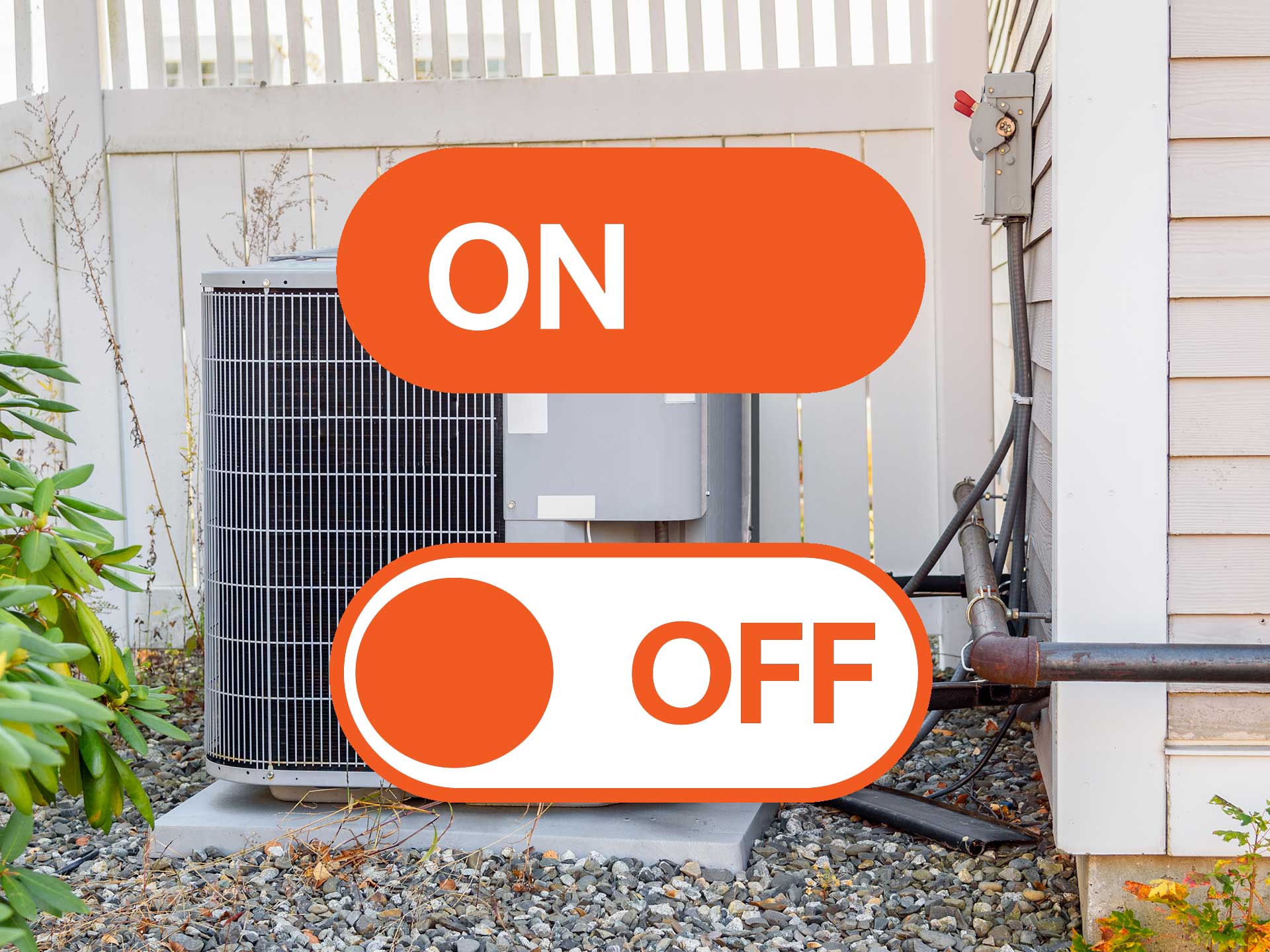
Cooling Systems Can Short Cycle Because of Refrigerant or Electrical Problems
An air conditioner or heat pump relies on refrigerant pressures staying within a designed operating range.
A refrigerant leak can alter those pressures enough to affect system operation. Some equipment includes protective controls that shut the system down when pressures become unsafe.
The system may restart later, encounter the same condition, and shut down again.
Electrical components can create a similar pattern.
A weak capacitor may struggle to start a motor reliably. A failing contactor may interrupt power. Loose electrical connections or control board problems can create intermittent operation that looks like ordinary short cycling from inside the home.
This is where professional testing becomes especially important. Adding refrigerant won’t fix an electrical failure, and replacing a capacitor won’t correct a refrigerant leak.
An Oversized HVAC System Can Create Short Cycles Without Being Broken
Not every short-cycling problem comes from failed equipment.
An HVAC system can be operating exactly as designed and still be wrong for the house.
Oversized equipment delivers heating or cooling too quickly. The thermostat reaches its set temperature before the system has completed a long enough cycle to condition the home evenly.
During summer, this can create another issue. Air conditioners remove moisture while they cool. If an oversized system shuts down too quickly, it may lower the temperature without running long enough to remove sufficient humidity.
The result can be a house that reaches the thermostat setting but still feels uncomfortable.
Repeated starts and stops also place additional demand on motors, compressors, contactors, and other components.
This is why HVAC professionals don’t select replacement equipment solely by matching the capacity of the old unit. Proper sizing should account for the home’s actual heating and cooling requirements.
Why Repeated Starting Is Hard on HVAC Equipment
Starting is one of the more demanding moments in an HVAC system’s operating cycle.
Motors and compressors draw additional electrical current at startup. When short cycling increases the number of starts, components such as capacitors, contactors, motors, and compressors experience additional wear.
The system may also use more energy because it repeatedly enters startup without completing efficient operating cycles.
A problem that causes short cycling today can therefore contribute to a larger repair later.
What You Can Check Before Scheduling Service
Homeowners can safely rule out a few basic problems before scheduling HVAC service.
Check the air filter first. Replace it if it’s visibly dirty or overdue for replacement.
Make sure supply registers and return vents remain open and aren’t blocked by furniture, rugs, curtains, or other objects.
Check the thermostat setting and confirm it isn’t being affected by an obvious nearby heat source. If you’re using a programmable or smart thermostat, review the schedule to make sure unexpected temperature changes aren’t causing additional cycles.
That’s generally where DIY troubleshooting should stop.
If the system continues short cycling after these basic checks, the next steps may involve electrical components, refrigerant pressures, blower performance, safety controls, or internal equipment diagnostics. Those require proper tools, training, and an understanding of how the system is designed to operate.
Stop troubleshooting and turn the equipment off if you notice a burning smell, repeated circuit breaker trips, visible ice, unusual electrical sounds, smoke, excessive heat, or a system that repeatedly shuts itself down immediately after restarting.
Don’t repeatedly reset a tripped breaker or bypass a safety control to keep the system running. Protective controls usually shut HVAC equipment down because operating conditions have moved outside a safe range.
At that point, professional diagnosis is the appropriate next step.
How Technicians Diagnose Short Cycling
The most useful clue is often why the system stops.
- Did the thermostat end the call?
- Did a furnace safety limit open because temperatures became too high?
- Did refrigerant pressure move outside the acceptable range?
- Did an electrical component lose power?
- Did the equipment satisfy the thermostat unusually quickly because the system is oversized?
Technicians combine those observations with airflow measurements, temperature readings, electrical testing, thermostat operation, equipment condition, and refrigerant data when appropriate.
That process turns “my system keeps turning on and off” into a specific mechanical explanation.
Frequently Asked Questions
How Often Should an HVAC System Turn On and Off?
There isn’t one correct cycle length for every home or HVAC system. Outdoor temperature, equipment type, thermostat settings, home construction, and system capacity all influence runtime. Concern increases when cycles suddenly become much shorter or more frequent than the system’s normal pattern.
Can a Dirty Air Filter Cause Short Cycling?
Yes. A severely restricted filter can reduce airflow enough to create abnormal equipment temperatures. Air conditioners may develop frozen coils, while furnaces may activate high-temperature safety controls.
Can Short Cycling Increase My Energy Bill?
Yes. Frequent starts can reduce operating efficiency and increase energy consumption. The underlying issue may also keep the system from completing normal heating or cooling cycles.
Should I Turn My HVAC System Off if It Keeps Short Cycling?
Turn the system off if short cycling is accompanied by a burning smell, breaker trips, visible ice, smoke, unusual electrical sounds, or repeated immediate shutdowns. Otherwise, complete the basic filter, vent, and thermostat checks, then schedule service if the pattern continues.
Don’t Let Short Cycling Become a Bigger HVAC Problem
Repeated short cycling can increase wear, waste energy, and turn a relatively small issue into a larger repair. Wonder Cooling focuses on identifying why the cycle is being interrupted before recommending a repair. That helps homeowners correct the problem without replacing parts based on guesswork.
Contact Wonder Cooling today to schedule service or request an evaluation. Call (423) 561-9326 or book online to get started. We proudly serve homeowners throughout Chattanooga, Ooltewah, Hixson, East Ridge, and surrounding communities.