Most heating problems do not begin with a complete system failure. Homeowners are more likely to notice a room that stays colder than the rest, a system that runs longer than usual, weaker airflow, or a new sound that was not there before. Those changes can come from very different parts of the HVAC system, including airflow, controls, electrical components, or the heating equipment itself.
The most common heating system problems include no heat, weak airflow, short cycling, uneven temperatures, unusual noises, thermostat or control problems, and longer run times or higher energy use. The same symptom can have several possible causes, so persistent changes in performance should be evaluated based on how the complete system is operating. A change in how the system heats, sounds, cycles, or moves air can provide useful clues about where the problem is developing.
The 7 Most Common Heating System Problems
1. The System Runs but Does Not Produce Enough Heat
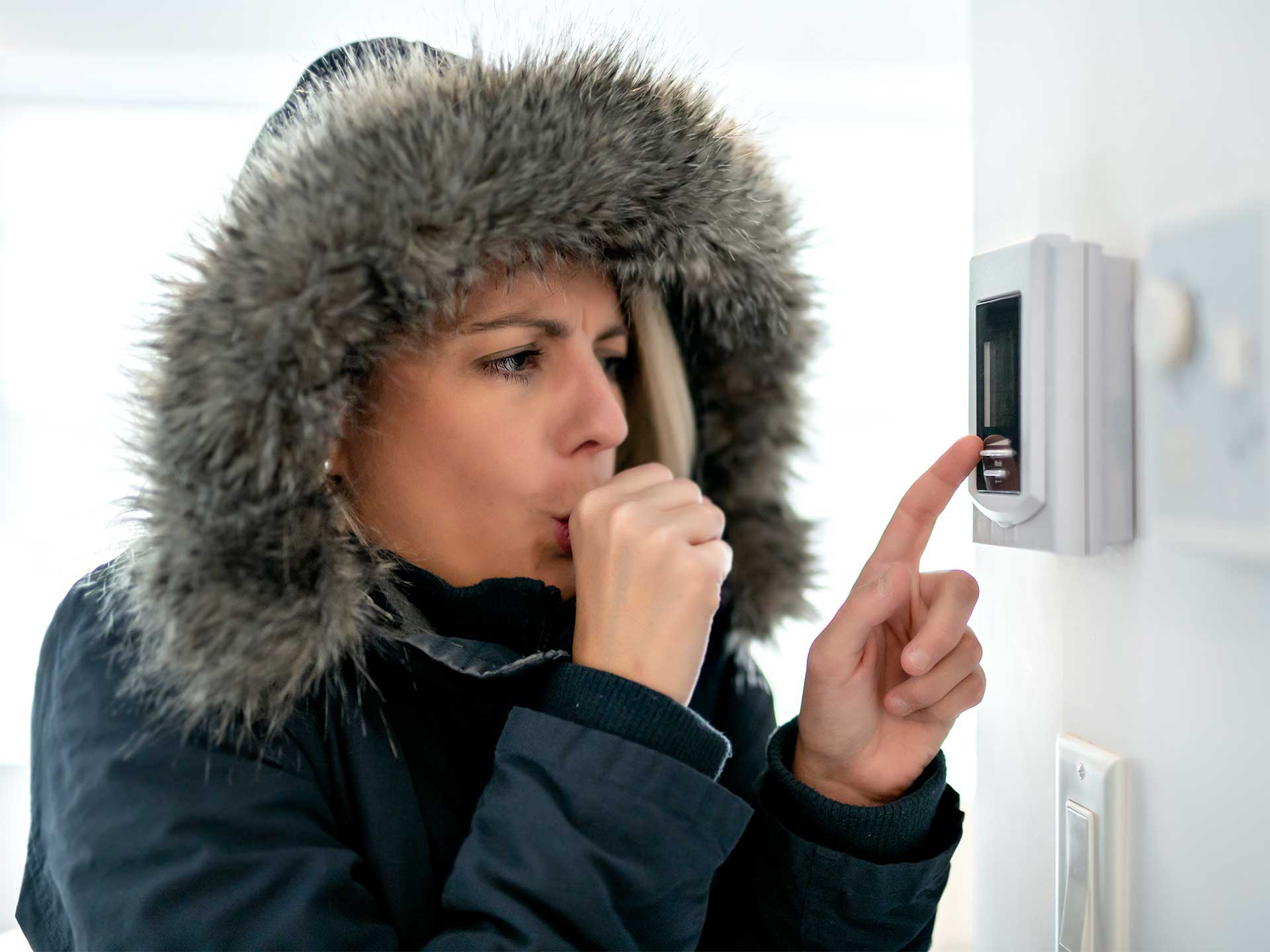
A heating system can continue operating even when it no longer delivers enough heat to keep the house comfortable. The thermostat may show that the system is running, but rooms warm slowly or never reach the selected temperature. Airflow restrictions, thermostat problems, heating components, refrigerant performance, or controls can all reduce the amount of usable heat reaching the home.
The important distinction is whether the system is producing too little heat or producing heat that is not reaching the rooms effectively. Those two situations can feel identical from inside the house but require different repairs. The source becomes clearer when heating output and airflow are evaluated together.
2. Airflow Becomes Weak
Weak airflow can affect heating performance even when the equipment itself is producing heat normally. You may notice less air coming from the registers or rooms taking much longer to warm. A restricted filter is one possible cause, but blower problems, duct restrictions, blocked returns, or buildup inside components can also reduce airflow.
Reduced airflow can also put added strain on some heating systems. When less air moves through the equipment, comfort may drop even though the system continues running. That makes airflow an important part of any heating-performance problem.
3. The Heating System Turns On and Off Too Often
Short cycling occurs when a heating system starts, runs briefly, shuts down, and then starts again before a normal heating cycle should be complete. This can make the house feel inconsistent and increase wear on components. The cause may involve airflow, controls, thermostat placement, safety limits, or another condition interrupting normal operation.
With some equipment, repeated shutdowns are a protective response rather than the original failure. Resetting the system or replacing the thermostat will not correct short cycling if another control, airflow, or safety issue is causing it. The timing of each cycle can help identify which part of the system is interrupting operation.
4. Some Rooms Stay Colder Than Others
Uneven heating does not always mean the heating equipment is too small. The problem may involve duct design, airflow balance, insulation, air leakage, closed or restricted registers, or differences between areas of the home. A room at the end of a long duct run may behave differently from one located near the air handler.
Additions and remodeled spaces can also change how evenly heat moves through the house. If uneven temperatures are new, that change is especially useful because the home previously heated more consistently. A developing airflow or equipment problem may be responsible when that pattern changes.
5. The System Starts Making New Noises
Heating equipment normally makes some sound as it starts, runs, and stops. New rattling, grinding, buzzing, squealing, banging, or repeated clicking is different. The location and timing of the noise can help narrow the source.
Blower components, motors, panels, electrical parts, ductwork, and other moving components can each create different sounds. Mechanical noises that become louder or more frequent should be checked before additional wear develops. A new sound is especially useful when it begins at a specific point in the heating cycle.
6. The Thermostat and Heating System Stop Agreeing
A thermostat controls the heating system, but not every comfort problem begins with the thermostat itself. A system may fail to respond correctly because of thermostat settings, wiring, sensors, controls, or communication between components. You may notice that the displayed temperature does not match how the house feels or that the system does not start when expected.
Other times, the heating equipment runs even after the thermostat appears satisfied. Smart thermostats can add another layer because scheduling, setback settings, auxiliary heat, or equipment configuration can influence how the system behaves. These symptoms need to be considered alongside the rest of the heating system rather than blamed on the thermostat alone.
7. The System Runs Longer and Costs More to Operate
Longer heating cycles do not always mean something is wrong. Colder outdoor temperatures naturally increase heating demand, and heat pumps often run for longer periods than furnaces. The concern is a clear change from normal operation under similar conditions.
If the system begins running much longer or the home becomes harder to heat, airflow loss, equipment performance, thermostat problems, or another developing issue may be responsible. Energy use can provide another clue, but one higher bill does not identify a specific HVAC problem because weather, thermostat settings, utility rates, and household use all affect the total. Changes in system behavior are more useful when considered alongside changes in energy use.
Frequently Asked Questions
Why Is My Heating System Running but the House Is Still Cold?
The system may not be producing enough heat, or the heat may not be moving through the house effectively. Airflow restrictions, controls, equipment problems, or heat loss from the home can all contribute. The next step is determining whether the problem starts with heat production or heat distribution.
Can a Dirty Filter Affect My Heat?
Yes. A heavily restricted filter can reduce airflow and make it harder for the system to distribute heat. In some equipment, poor airflow can also cause operating or safety problems.
Why Has My Heating System Suddenly Started Running Longer?
Colder weather can naturally increase run time, but a sudden change under similar conditions may indicate reduced airflow or lower heating performance. Thermostat changes can also affect how long the equipment operates. A longer cycle is more significant when the system also struggles to maintain temperature.
Should I Shut the System Down if It Makes a Strange Noise?
Light expansion sounds or normal startup noises may not be concerning. Grinding, electrical buzzing, harsh banging, or rapidly worsening mechanical sounds deserve more attention. Shut the system down if the noise is severe or accompanied by smoke, electrical problems, or unusual odors.
Schedule Heating System Service in Chattanooga
Heating problems do not all come from the same part of the system. Weak airflow, short cycling, uneven temperatures, unusual noises, and longer run times can each point toward different causes. If performance has changed, Wonder Cooling can identify the source and determine what needs to be repaired.
Wonder Cooling provides heating system repair throughout Chattanooga and surrounding communities. Call (423) 561-9326 or book online to schedule service. A professional evaluation can help restore normal heating performance before the problem becomes more disruptive.