
Turning on the heat for the first time in fall often brings an unexpected smell with it. After months of air conditioning, Chattanooga homeowners may notice a dusty odor, something musty coming through the vents, or a smell that resembles overheated plastic or wiring. Some of these odors are normal at the beginning of heating season, while others deserve immediate attention.
What the odor resembles, how long it lasts, and whether the heating system is operating normally can tell an HVAC technician much more than the smell alone. Understanding those differences can help homeowners recognize an ordinary seasonal startup odor without dismissing a warning sign. It can also help you know when shutting the system down is the safer choice.
Quick Answer
A dusty smell that appears the first time you turn on the heat is often caused by dust that settled on heating components during the cooling season. That odor should usually fade after the system completes its first heating cycles. Persistent musty odors can point toward moisture or contamination, while electrical, burning-plastic, or natural gas odors require more caution and may warrant shutting the system down.
Why the First Heat of the Season Can Smell Dusty
Heating equipment can sit unused for months while the air conditioner handles Chattanooga’s summer weather. During that period, small amounts of dust can settle on heating surfaces even in homes where filters are changed regularly. When those components become hot again, the accumulated material warms rapidly and can produce the familiar dry, dusty smell many homeowners notice during the first heating cycle.
With an electric furnace or heat pump using auxiliary electric heat, dust may accumulate around heating elements that have not operated since the previous winter. Gas furnaces have different internal components, but they can also produce a brief startup odor after sitting through the warmer months. A light dust smell that steadily decreases as the equipment runs tells a very different story from an odor that grows stronger or returns every time the heat starts.
After a long Chattanooga cooling season, technicians often find that first-use heating odors come from ordinary dust on components that have been idle for months. Persistent musty odors usually send the inspection in another direction, especially toward areas that handled condensation throughout summer. That distinction helps technicians avoid treating every seasonal smell as the same problem.
A Dusty Smell Should Fade, Not Linger
Duration provides an important clue. A normal seasonal dust odor should begin fading once the heating surfaces have warmed and the accumulated material has burned away or moved through the system. If the smell remains strong through repeated heating cycles, there may be more going on than routine seasonal startup.
A heavily loaded filter can affect airflow while allowing more dust to circulate through the equipment. Excess buildup on internal surfaces may also indicate that the system needs cleaning, particularly in homes with pets, recent remodeling work, or a high indoor dust load. An odor that persists deserves investigation rather than being covered with air freshener or ignored.
Technicians also consider whether the smell appears throughout the house or only near certain registers. A whole-home odor often directs attention toward the HVAC equipment or return-air side of the system, while an isolated smell may point toward a particular duct run or room. That observation can narrow the inspection before unnecessary parts are removed or replaced.
Musty Odors Point Toward a Different Problem
A musty smell is different from the dry odor associated with first-season heating. Musty odors often suggest that moisture has been present somewhere in the HVAC system or nearby ductwork, especially after a humid Chattanooga summer when the cooling system has spent months producing condensation. Drain pans, condensate lines, coils, and other damp areas can develop buildup that becomes noticeable once air begins circulating through the system again.
The smell alone does not reveal exactly where the moisture is located. A professional inspection should examine the areas where condensation normally forms, verify that drainage is working correctly, and consider whether the source may be outside the HVAC equipment. That prevents a broad recommendation such as duct cleaning from being used when the actual source is a drain, coil, or another specific component.
Persistent moisture deserves attention because cleaning the odor without correcting its source rarely provides a lasting solution. If poor drainage, coil contamination, or another damp condition is responsible, that condition needs to be addressed along with the buildup it created. The objective is to correct why the odor developed rather than simply make the system smell better temporarily.
Burning Plastic or Electrical Smells Need More Caution
A sharp electrical odor or the smell of burning plastic falls into a different category from seasonal dust. HVAC systems contain motors, wiring, capacitors, controls, and electrical connections that can overheat when a component fails or a connection deteriorates. Continuing to operate the system without knowing the source can place additional stress on damaged equipment.
Technicians want to know whether the smell appeared as the blower started, after the system had been running for several minutes, or at the same time as another symptom such as an unusual noise or a tripped breaker. Those details help direct testing toward the appropriate electrical or mechanical components. The odor does not identify the failed part by itself, but the circumstances surrounding it can make diagnosis more efficient.
If the smell resembles melting insulation, hot plastic, or scorched wiring, shut the heating system down and have it evaluated before restarting it. Repeated breaker trips or visible smoke require even more immediate attention. A familiar first-season dust smell should never be used to explain away an odor that clearly resembles overheated electrical material.
A Rotten-Egg Gas Odor Is Not a Normal Heating Smell
Homes with gas furnaces require another distinction. Natural gas is intentionally odorized so leaks can be detected, and that added odor is commonly described as rotten eggs or sulfur. That smell should never be treated as normal simply because the furnace has just been turned on for the season.
If you suspect a natural gas leak, leave the building and contact the gas utility or emergency services from a safe location. Avoid operating switches or other devices that could create a spark while you are still inside. The appropriate response is to get away from the suspected leak rather than trying to locate it yourself. Carbon monoxide presents a different hazard because it has no smell. A strange furnace odor therefore cannot be used as a carbon monoxide warning system, and homes with fuel-burning equipment should have working carbon monoxide alarms. Professional furnace inspection also allows technicians to evaluate combustion and venting conditions that affect safe operation.
Technicians inspect the filter as one part of the complete airflow system rather than assuming the filter is responsible for every airflow-related complaint.
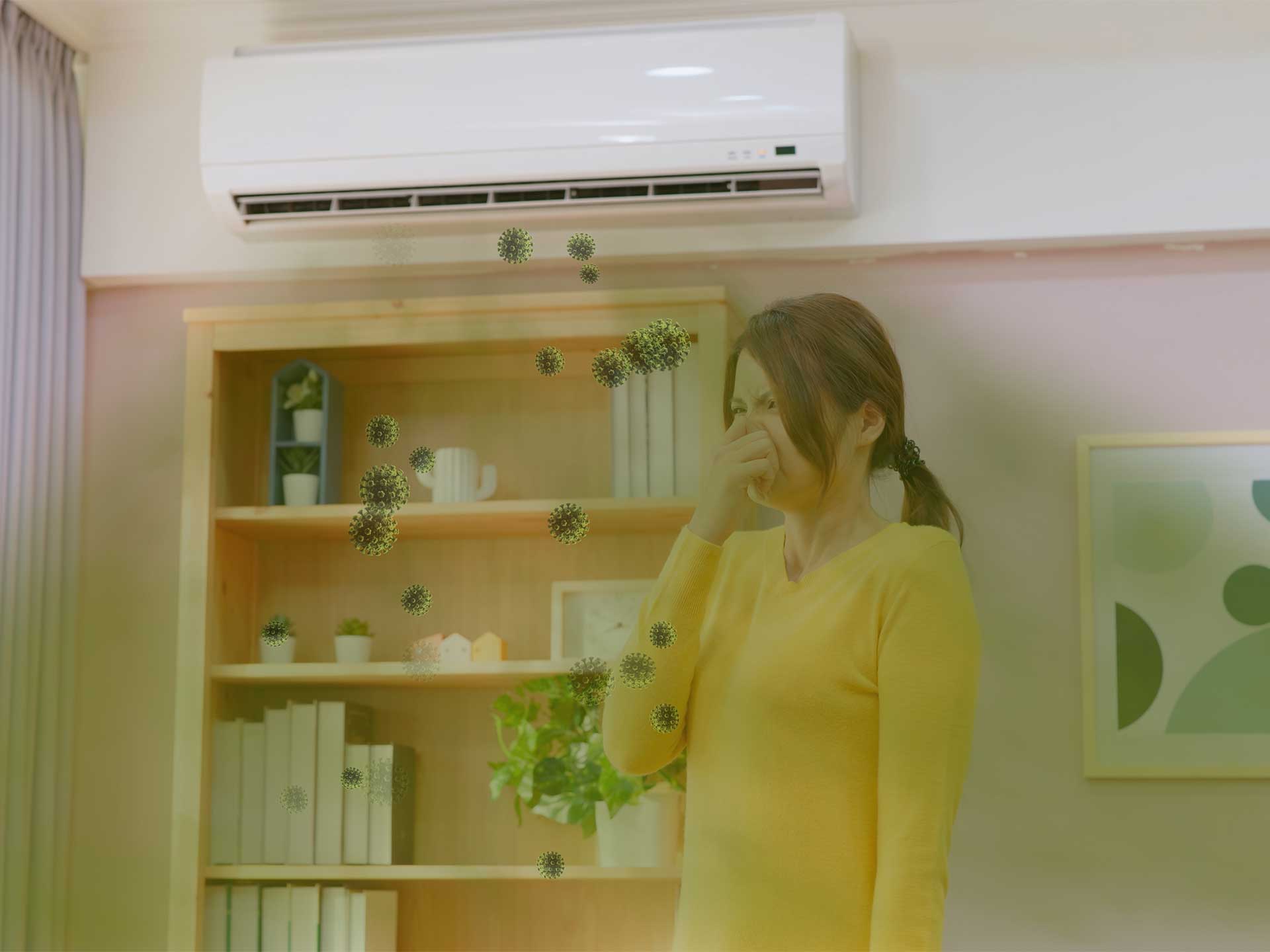
What a Technician Learns From the Smell
Experienced HVAC technicians do not diagnose heating problems by odor alone. They combine the homeowner’s description with equipment type, airflow, temperature behavior, electrical readings, combustion performance when applicable, and what happened immediately before the smell appeared. Those details help separate a routine startup condition from a developing mechanical, moisture, or electrical problem.
A dusty smell that fades while the furnace heats normally may require no repair at all. A similar odor combined with weak airflow, repeated cycling, or an overheated blower gives the technician a different set of evidence to investigate. A musty smell that appears only when the fan starts can point the inspection toward different components than an electrical odor coming directly from the equipment cabinet.
Homeowners can help simply by noticing when the smell begins, how long it lasts, and whether anything else changes at the same time. There is no need to open equipment panels or investigate electrical or gas components personally. A good description of what you experienced gives the technician useful information before testing begins.
Frequently Asked Questions
Is It Normal for the Heater to Smell When I First Turn It On?
A mild dusty odor can be normal during the first heating cycles after the system has been unused for several months. The smell should become less noticeable as the equipment operates and dust clears from heated surfaces. If it remains strong, returns repeatedly, or changes into a sharper burning odor, the system should be inspected.
Why Does My Heater Smell After Sitting All Summer?
Dust can settle on unused heating components while the air conditioner handles summer cooling. Chattanooga’s long cooling season means some heating components may remain idle for months before being energized again in fall. The first heating cycle can warm that accumulated dust and create a temporary odor that should fade rather than persist.
How Long Should the First-Heat Smell Last?
There is no exact time that applies to every heating system, but a routine dust smell should be temporary. Homeowners should notice it becoming less noticeable as the system completes its initial heating cycles. An odor that continues through repeated operation gives technicians a reason to look for excess buildup or another source.
Why Does My Heater Smell Musty?
Musty odors commonly lead technicians to investigate moisture and areas where buildup may have developed during cooling season. The evaporator area, condensate drainage, and other damp parts of the HVAC system may deserve inspection after Chattanooga’s humid summer weather. Identifying where the moisture originated is more useful than simply trying to mask the smell.
Should I Turn My Heater Off if It Smells Like Burning Plastic?
Yes. A burning-plastic or electrical smell can indicate an overheated component, wiring problem, or another condition that should be inspected before the system continues operating. Shut the equipment down and schedule professional service rather than assuming the smell is ordinary dust from the beginning of heating season.

Know When a Heating Smell Deserves Attention
The first heating cycle of fall can produce a temporary dusty odor without indicating a furnace failure. The important distinction is whether that smell fades normally or whether the system produces an odor associated with moisture, overheating, or fuel. Paying attention to what changes as the system runs can help you decide whether you’re experiencing normal seasonal startup or a condition that deserves professional attention.
Contact Wonder Cooling today to schedule service or request an evaluation. Call (423) 561-9326 or book online to get started. We proudly serve homeowners throughout Chattanooga, Ooltewah, Hixson, East Ridge, and surrounding communities.